
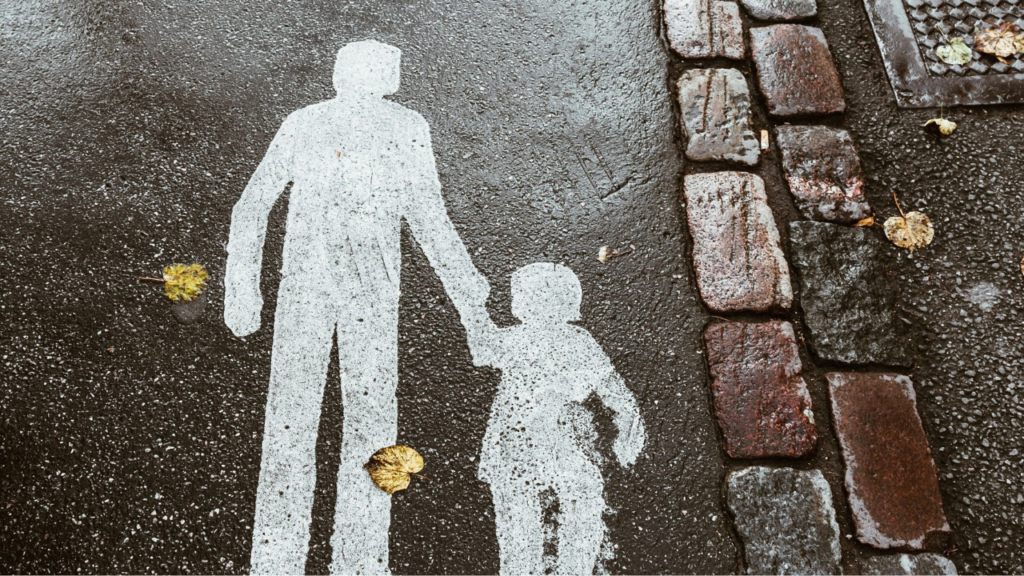
While we never stop worrying about our children. Certain situations can make our hearts beat a little faster, and one of these is crossing the road. Stop, look, listen is the road safety mantra for many children. But for disabled or neurodiverse children, being outside and coping with traffic can be an entirely more frightening experience – for them and their parents or carers. This is why road safety needs to be taught in a way that meets their needs.
Busy roads, noisy traffic, bright flashing lights, crowded pavements and sudden changes can feel overwhelming. As a result, some children may find it harder to judge speed or distance, and to remember instructions in the moment. They might also struggle with managing sensory input or staying focused near roads. But with the right support, journeys can feel much safer and calmer.
Remaining calm and clear while moving forward slowly, with lots of practice, patience and support can help many children. But each child is different, so teaching road safety will need to suit their individual needs. Take into account impulsivity, sensory overload and delayed processing.

You know how your child learns best, but some useful tips to remember are:
- Nothing needs to be rushed.
- Simple phrases like ‘stop’, ‘wait’ and ‘go’, can help keep instructions short when quick action is needed.
- Practise along the same route and keep to quieter areas before trying busier roads.
- Parks and school drop-off areas can be just as tricky as main roads but are good areas to practice in once skills are developing well.
- Practice often. Show safe behaviour every time – stop at the kerb, look and listen, wait, then cross calmly together when it’s safe.
- If your child has sensory needs, items such as ear defenders or sunglasses can make a difference.
- Some children may bolt or wander off during sensory overload. If you think this might happen, keep them engaged by singing their favourite song or have a fidget toy to distract them from the need to run.
- For some children visual aids may help, for example photos or videos of local crossings and different road signs. This can be very useful when used alongside social stories or now-and-next boards.
- Reinforce boundaries – a firm ‘no’, pictures of stop signs and no running signs can help while you are practicing routes.
- If you have a play road mat and toy cars you could have practice sessions at home with these too. This help children learn through play, and is an excellent substitute for practicing road safety when the weather is bad. You can even role play different situations before they even happen. Try suddenly being faced with emergency vehicles with wailing sirens and flashing lights.
Depending on their diagnosis, equipment may help. Walking reins, safety harnesses in cars, Houdini clips to stop children escaping car seat restraints and even a watch with a GPS tracker if children are prone to bolting can all provide reassurance.
You can visit National Autistic Society Road Safety Guide for more tips on handling meltdowns and teaching out-and-about skills.
The RoSPA Teaching Road Safety Skills PDF has some practical advice on distraction techniques and equipment.
Structured educational activities adapted for parents can be found at Brake SEND Guidance
You can find additional resources, support and signposting in our Support Hub.