
With October in full swing and the hours of darkness starting earlier, you know that spooky season has arrived! To keep busy there’s lots of accessible fun to be had over the half term holiday – from creating sensory bins to arts and crafts and baking.
Below are a few suggestions for some activities. All of them can be enjoyed alone or with siblings, friends or adults. Every child is different, so you can change each activity to suit your child’s interests, movement, communication and sensory preferences.
Let your child choose how they want to join in and go at their pace; your child can pause or stop at any time. They might want to touch and explore. They might prefer to watch, choose what happens or tell someone else what to do. All of these are ways to take part.
If your child does not enjoy spooky themes, you could use pumpkins, autumn colours or familiar objects instead.
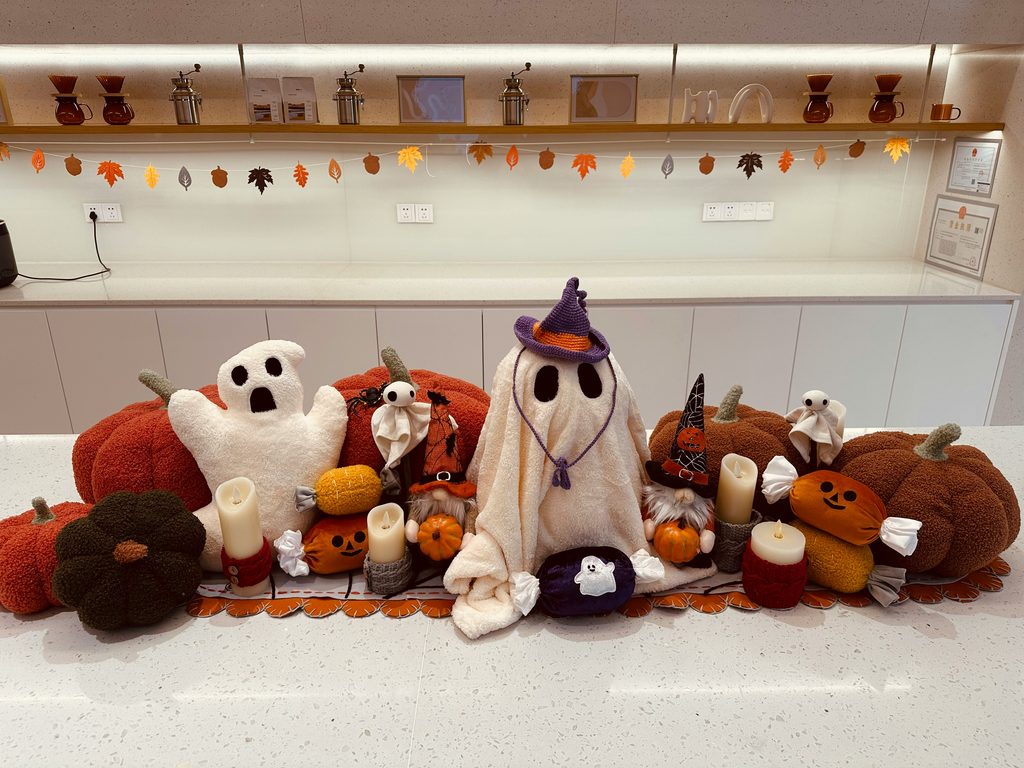
Spooky Spaghetti
What you’ll need
- Cooked spaghetti, completely cooled
- Bowls or shallow containers
- Spoons, scoops or cups
- Large, sturdy spooky toys, if suitable for your child
Try it together
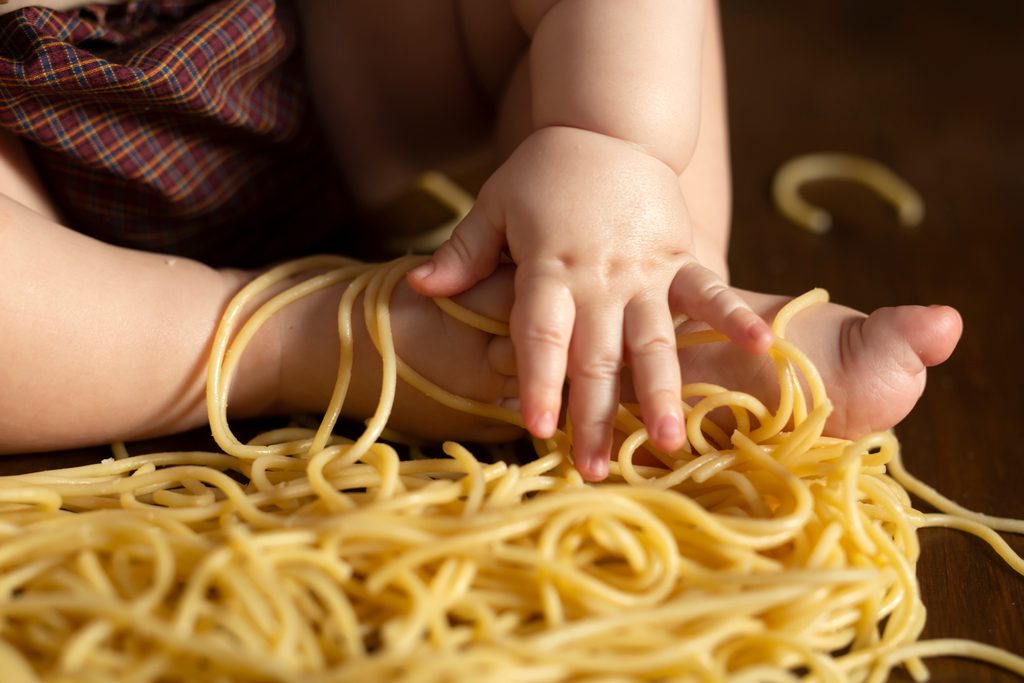
Turn cooked spaghetti into spooky worms! Your child could squash, squeeze, pull, scoop or move the spaghetti between containers. You could also hide spooky toys in the spaghetti for your child to find.
Ways to take part
If your child does not want to touch the spaghetti, offer spoons, scoops or cups instead. They could explore how the spaghetti feels and moves. Or they could choose which container to fill.
You could also put the spaghetti inside a strong, sealed sensory bag. An adult should stay close while it is being used. Do not use a bag if your child may bite it.
Your child could choose what to hide or find. They can communicate in the way that works for them. This might include speech, pointing, eye gaze, signs, gestures, symbols or AAC (Augmentative and Alternative Communication).
Someone else can move or hide the objects while your child directs them.
Staying safe
Check the spaghetti ingredients if your child has allergies or special dietary needs. Think about whether your child might eat the spaghetti and whether it is safe for them to swallow.
Leave out toys if there is a chance your child may put them in their mouth or swallow them. Remember that some larger toys can have small parts.
Put down a drop mat or towel to keep any spills contained and pick up dropped spaghetti straight away as it can make the floor slippery.
Potion Play
What you’ll need
- Shallow bowls or light containers
- Water
- Light jugs, cups and large-handled spoons
- A non-slip mat or tray
- Food colouring, if suitable for your child
- Other additions for colour and texture such as bubbles, milk, juices, if appropriate
Try it together
To create your own potion your child could pour, scoop and stir the water. Try adding a few drops of food colouring to change the colour, but plain water works well too.
Ways to take part
There are lots of ways to explore the potion. Your child might enjoy:
- feeling warm or cool water
- stirring with a spoon
- listening to the sound of pouring water
- watching the colours change
- choosing what happens next
Pick the parts that your child enjoys. Try easy-to-hold cups and spoons. A non-slip mat can help to keep bowls in place and put everything where your child can comfortably reach it.
Your child can choose the cup, colour or action using their usual way of communicating. Someone else can pour or stir while your child directs them. Give your child plenty of time to make their choice and respond.
Staying safe
If you use food colouring, or any other additions, check the ingredients for allergies or skin sensitivity. You could also try beetroot juice as a natural colour or milk to make things cloudy.
If you add bubbles, choose a product that is suitable for children. Do not use it if your child may drink the water. Avoid scented products if your child finds smells uncomfortable.
Plain sparkling water can add bubbles without using soap, if it is suitable for your child.
Use containers that are light and will not easily break. Wipe up any spills straight away. An adult should stay close during water play.
Spooky Story Sensory Basket
What you’ll need
- A gentle spooky story
- A basket or shallow container
- A few objects linked to the story
- Your child’s usual communication symbols or objects, if helpful
You could include a soft toy ghost, a textured pumpkin, fabric autumn leaves or a witch’s hat.
Try it together
Read or tell the story and introduce each object when it appears.
Pause and give your child time to explore, respond or ask for more.
You do not need a book. You could make up your own simple story using familiar objects.
Ways to take part
Offer one object at a time and place it where your child can comfortably reach it.
Stories do not have to be told using spoken words. You could use:
- objects
- textures
- movement
- pictures
- signs
- symbols
- sounds
- AAC
You could also use objects of reference. These are familiar objects that help your child understand an activity or idea. Maybe offer a few of their favourite toys or stuffies as part of the story.
Your child could choose the next object, make a sound or movement, or direct someone else to find something.
Take turns so everyone has the chance to choose and lead.
Staying safe
If you use a sensory light, try a steady light instead of a flashing one. Introduce new sounds, lights and textures slowly.
Pay attention to how your child communicates. Pause or stop if they show that they have had enough or do not want to continue.
Spooky Sensory Tray
What you’ll need
- A shallow tray
- A few objects to explore
- Spoons, scoops, cups, brushes or tongs
- A non-slip mat, if helpful
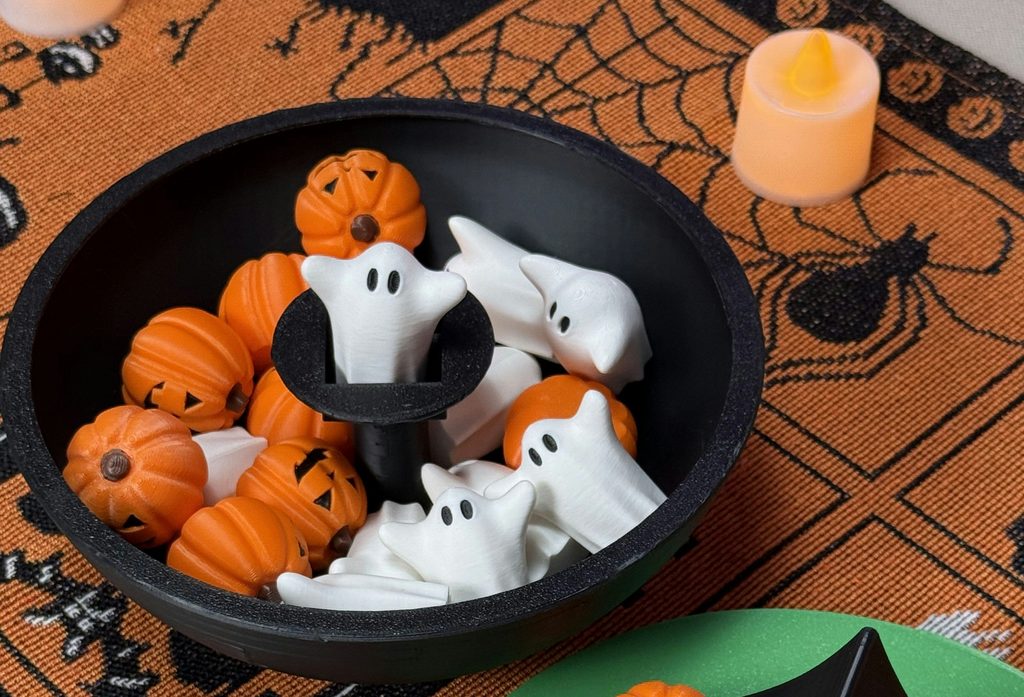
You could use fabric autumn leaves, textured balls, pumpkin-themed objects or large, sturdy toy spiders.
Try it together
Put a few objects in the tray. Your child could explore, sort, scoop, hide or find them. Add more if they are enjoying the activity.
You can also turn it into a treasure hunt! One person chooses an object and another person finds it. Swap roles so everyone has a chance to choose and lead.
Ways to take part
There are lots of ways to explore an object. You could talk about:
- how it feels
- its shape
- its weight
- how it moves
- its colour.
When playing a treasure hunt, try describing how an object feels or its shape instead of only talking about what it looks like.
Offer spoons, brushes or tongs if your child would rather not touch the objects. Keep things in the same place if this makes them easier for your child to find and keep everything within easy reach.
Your child can choose what to hide, find or explore using the communication that works for them. This could include speech, AAC, eye gaze, symbols, signs or gestures.
Someone else can move or explore the objects while your child directs them.
Staying safe
Choose objects that are suitable for your child. Avoid small or loose parts if your child may put objects in their mouth or swallow them.
Enjoy spooky play your way
Whatever you choose, there is no right or wrong way to enjoy sensory play.
Follow what interests them. Make time for breaks and let your child show you what they enjoy.
For further support
For further help we have resources for you to explore.
Communication Matters – offers independent information and support about Augmentative and Alternative Communication (AAC). https://www.communicationmatters.org.uk/about-aac-systems/
Ace Centre Resources – include free AAC and symbol resources, publications and downloads. https://acecentre.org.uk/resources
Scope Communication Aids & AAC – Family friendly AAC explanation and different communication methods. https://www.scope.org.uk/advice-and-support/communication-aids-and-aac
Sense Sensory Stories – examples of how to bring a story to life through objects, textures and other sensory experiences. https://www.sense.org.uk/activities/sensory-stories/